Harnessing the Power of Modular Skids for Industrial Applications
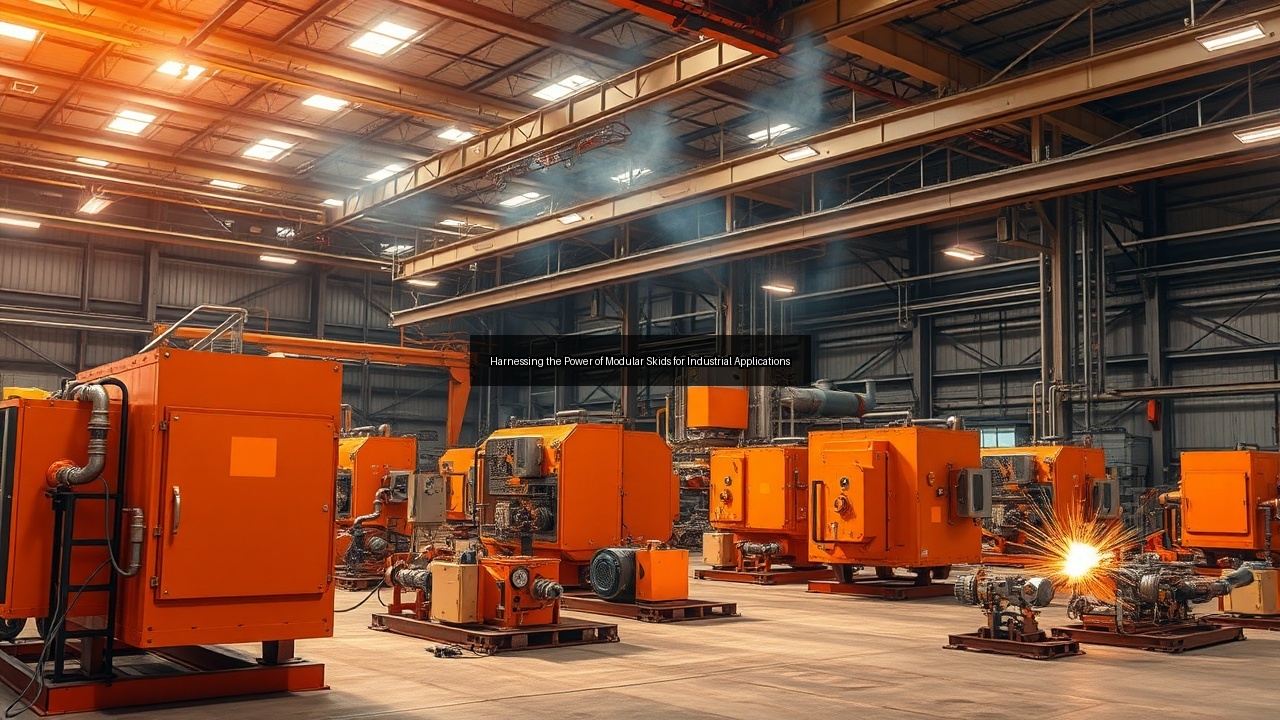
Understanding Modular Skids and Their Applications
What are Modular Process Skids?
Modular process skids serve as pre-fabricated, compact systems designed to streamline various industrial processes. These skids are essentially self-contained units that house all essential components required for operations, including pumps, valves, tanks, and instrumentation. By integrating multiple functions into one modular skid, companies can simplify installation and reduce on-site construction time. The versatility of modular process skids caters to diverse industries, particularly in oil and gas, pharmaceuticals, and water treatment. Their ability to be easily transported and deployed enhances operational efficiency, making them a popular choice for modern industrial applications.
Key Benefits of Modular Process Systems
Modular process systems offer numerous advantages that significantly improve operational efficiency. First, they reduce installation time due to their pre-assembled nature, allowing businesses to get up and running quickly. This speed translates into cost savings, as less labor is required for on-site construction. Moreover, modular skids enhance flexibility; companies can easily expand or modify systems without disrupting existing operations. Standardization of components across different projects also simplifies maintenance and reduces inventory costs. Finally, the quality assurance processes involved in skid fabrication often lead to higher reliability and performance standards, ensuring that systems operate optimally under various conditions.
Common Uses in the Oil and Gas Industry
The oil and gas industry frequently employs modular process skids for a variety of applications. These skids are commonly used for transporting, processing, and storing hydrocarbons, which necessitates robust design and construction. For instance, modular skids facilitate equipment like separators, compressors, and metering systems, all essential for efficient oil and gas extraction and processing. Their portability allows operators to move them to different locations as exploration and production needs shift. Additionally, modular skids comply with stringent safety and quality standards, making them ideal for hazardous environments often encountered in the oil and gas sector.
The Fabrication Process of Modular Skids
Design Considerations for Skid Fabrication
Effective design is crucial in skid fabrication, as it directly impacts the skid's performance, safety, and longevity. Designers must take into account the specific requirements of the application, such as pressure ratings, temperature limits, and space constraints. Incorporating the latest technologies in design software allows for precise modeling and simulation, which aids in identifying potential issues before fabrication begins. Engineers also consider the ease of access for maintenance during the design phase, ensuring that service personnel can easily reach critical components. Ultimately, a well-thought-out design improves efficiency and minimizes risks associated with operational failures.
Welding Techniques in Skid Manufacturing
Welding represents a critical aspect of the skid fabrication process, as it ensures structural integrity and durability. Various welding techniques are employed depending on the materials used and the specific application requirements. Common methods include TIG (Tungsten Inert Gas) welding and MIG (Metal Inert Gas) welding, each offering unique benefits. TIG welding is ideal for producing high-quality welds in thin materials, while MIG welding is faster and more efficient for thicker sections. Skilled welders must adhere to stringent quality control standards to prevent defects that could compromise the skid's performance in demanding environments. Proper training and certification of welders are essential in maintaining high welding standards.
Machining and Material Selection: Choosing the Right Alloys
Material selection plays a pivotal role in the skid fabrication process, influencing the skid's performance and lifespan. Engineers typically choose alloys based on factors such as corrosion resistance, strength, and thermal properties. Stainless steel, carbon steel, and aluminum are popular choices, each offering distinct advantages. For instance, stainless steel exhibits excellent corrosion resistance, making it suitable for environments with exposure to harsh chemicals. Machining processes, such as cutting and shaping the materials, require precision to ensure compatibility with other components. The right combination of machining techniques and material selection enhances the overall quality and reliability of the modular skid.
Quality Control and Assurance in Skid Fabrication
Implementing Quality Management Systems
A robust quality management system (QMS) is crucial for ensuring that modular skids meet industry standards and client specifications. A QMS involves systematic processes and procedures to monitor every stage of the fabrication process, from design to final inspection. Regular audits and assessments help identify areas for improvement and ensure compliance with regulatory requirements. By implementing a QMS, manufacturers can enhance product consistency, reduce waste, and improve customer satisfaction. This commitment to quality not only bolsters the reputation of the skid fabrication company but also fosters long-term relationships with clients who prioritize reliability.
Safety Protocols in Skid Manufacturing
Safety in skid manufacturing cannot be overstated. The fabrication process often involves heavy machinery, hazardous materials, and skilled labor, all of which present risks if not managed properly. Manufacturers must establish comprehensive safety protocols to protect workers and maintain a safe working environment. This includes regular safety training, proper use of personal protective equipment (PPE), and adherence to safety regulations. Additionally, risk assessments should be conducted to identify potential hazards associated with each fabrication stage. By prioritizing safety, companies not only comply with legal requirements but also foster a culture of responsibility and awareness among employees.
Risk Management and Licensing for Skid Fabricators
Effective risk management is essential in skid fabrication to mitigate potential challenges that can arise during the manufacturing process. This involves identifying, assessing, and prioritizing risks associated with design, production, and operational aspects. Licensing and certification from relevant authorities enhance credibility and ensure that manufacturers comply with industry standards. Companies that are licensed to operate demonstrate a commitment to quality and safety, gaining trust among clients. Additionally, robust risk management strategies can minimize financial losses, improve operational efficiency, and protect the company’s reputation in the competitive skid fabrication market.
Choosing the Right Skid Fabrication Company
Evaluating Skid Fabrication Services
When selecting a skid fabrication company, evaluating their services is paramount. Companies should assess the range of services offered, including design, welding, machining, and assembly capabilities. A comprehensive service portfolio indicates the manufacturer's ability to handle complex projects and adapt to specific client needs. Furthermore, reviewing past projects and client testimonials provides insights into the company's reliability and quality. A reputable skid fabrication company will also have a proven track record in delivering projects on time and within budget, demonstrating their commitment to excellence.
What to Look for in a Modular Skid Manufacturer
Several criteria define a competent modular skid manufacturer. First, verify their experience and expertise in skid fabrication, particularly in your industry. An established company will have the necessary technical knowledge and resources to handle diverse projects. Second, assess their quality control measures and certifications. Manufacturers adhering to recognized standards demonstrate a commitment to producing high-quality skids. Additionally, consider their flexibility in customization. A capable manufacturer should be able to design and fabricate skids that meet specific client requirements without compromising quality or safety.
Cost Considerations in Custom Skid Fabrication
Cost is a significant factor in custom skid fabrication, but it should not be the sole consideration. While competitive pricing is important, it is essential to balance cost with quality and service. Lower prices may indicate compromises in materials or fabrication processes. Obtain detailed quotes from multiple manufacturers, breaking down the costs associated with design, materials, labor, and quality assurance. Understanding these elements will help you make an informed decision. Additionally, factor in long-term operational costs, as higher-quality skids may lead to reduced maintenance and operational downtime, ultimately saving money in the long run.