Innovative Applications of Galvanized and Stainless Steel in Modern Design
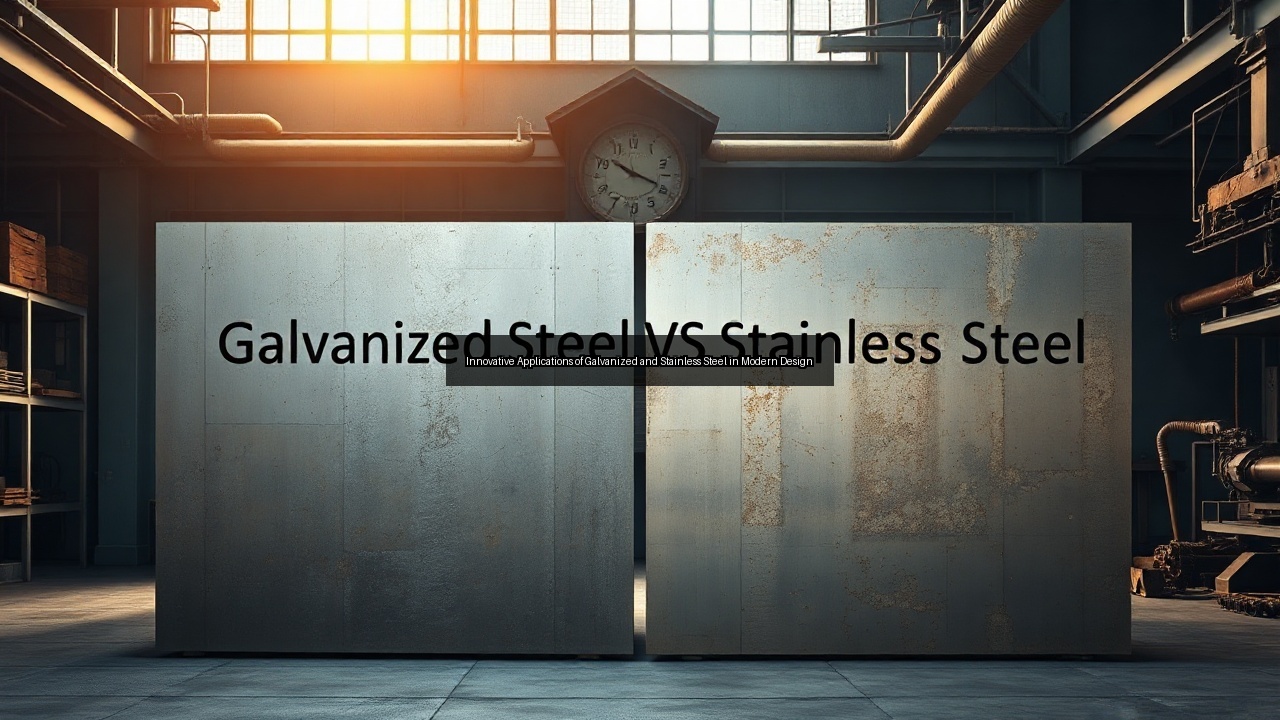
Understanding Galvanized and Stainless Steel
Overview of Steel Production Processes
Steel production begins with the extraction of iron ore, which undergoes smelting to create molten iron. This molten iron is then alloyed with carbon and other elements to produce steel, a versatile metal known for its strength and durability. The basic methods for steel production include basic oxygen steelmaking and electric arc furnace processes. The former uses oxygen to refine molten iron, while the latter applies electrical energy to melt scrap steel. The choice of method influences the properties of the finished product, leading to variations in quality and cost. Steel's applications range from construction to automotive manufacturing, highlighting its importance in the metal industry.
What is Galvanization?
Galvanization refers to the process of applying a protective zinc coating to steel or iron to prevent corrosion. This technique enhances the longevity of metal products exposed to harsh environments. The most common method of galvanization is hot-dip galvanizing, where steel components are submerged in molten zinc, creating a robust and durable barrier against rust. This zinc coating not only protects the underlying steel but also sacrifices itself in the event of scratches or damage, effectively allowing the steel to withstand the elements for extended periods. Understanding galvanization provides insight into why galvanized steel is favored in various applications, particularly in construction and outdoor settings.
The Role of Corrosion Resistance in Steel Applications
Corrosion resistance plays a crucial role in determining the longevity and safety of steel structures. Steel, when exposed to moisture and oxygen, is prone to corroding, which compromises its structural integrity. Galvanized steel offers a significant advantage due to its protective zinc layer, making it ideal for applications where exposure to water is inevitable. In contrast, stainless steel incorporates chromium, which forms a thin oxide layer that protects it from rust and corrosion. This inherent corrosion resistance allows stainless steel to thrive in environments with high humidity or corrosive elements, such as kitchens and medical facilities. Both galvanized and stainless steel serve distinct functions based on their corrosion resistance properties, catering to different design needs and environmental conditions.
Comparative Analysis: Galvanized Steel vs Stainless Steel
Pros of Galvanized Steel
Galvanized steel presents several advantages, making it a popular choice in various applications. First, its cost-effectiveness stands out; the galvanization process is relatively inexpensive compared to producing stainless steel. The robust nature of galvanized steel provides excellent durability, especially in outdoor applications. The zinc coating not only protects against corrosion but also enhances the aesthetic appeal of the metal. Additionally, galvanized steel is easy to weld and fabricate, allowing for a wide range of design possibilities. It is often used in structures such as bridges, roofs, and fencing. Moreover, the maintenance of galvanized products is minimal, as they require less frequent replacement or repair, translating into lower lifecycle costs.
Pros of Stainless Steel
Stainless steel offers unique benefits that make it essential in many modern designs. Its primary advantage is its exceptional corrosion resistance due to the presence of chromium, which forms a protective layer. This feature makes stainless steel ideal for applications in harsh environments, such as marine settings or chemical processing plants. Furthermore, stainless steel's aesthetic qualities, including its sleek, polished surface, enhance its appeal in architectural designs and high-end furniture. The material is also highly durable, capable of withstanding extreme temperatures and pressures, making it a top choice for pressure vessels and heavy-duty applications. Additionally, the weldability of stainless steel allows for seamless fabrication and integration into complex designs.
Weldability and Fabrication Techniques
Weldability significantly affects the usability of steel in construction and design. Galvanized steel can be welded, but it requires specific techniques to avoid damage to the zinc coating. The process often involves removing the coating in the weld area or using specialized welding methods. Conversely, stainless steel is known for its excellent weldability, allowing for strong joints without compromising its corrosion-resistant properties. Advanced fabrication techniques like laser cutting and precision machining further enhance the usability of both materials. These techniques allow designers and engineers to create intricate shapes and components, expanding the possibilities for innovative applications in modern design. The choice between galvanized steel and stainless steel often hinges on the specific requirements of the project, including cost, durability, and aesthetic preferences.
Innovative Applications in Modern Design
Use of Galvanized Steel in Infrastructure and Construction
Galvanized steel finds extensive use in infrastructure and construction due to its resilience and cost-effectiveness. Builders often choose galvanized steel for structural components, such as beams, columns, and trusses, which require strength and durability. Its protective zinc coating ensures that these structures remain intact even in challenging weather conditions, reducing maintenance costs and extending their lifespan. Additionally, the lightweight nature of galvanized steel facilitates easier handling and installation, making it an attractive option for modern construction projects. The material is also utilized in roofing, fencing, and scaffolding, where both strength and corrosion resistance are crucial. By incorporating galvanized steel into infrastructure, designers not only enhance functionality but also contribute to sustainable construction practices.
Stainless Steel in Architectural Designs
Stainless steel has become a staple in architectural design, prized for its aesthetic appeal and functional benefits. Architects often leverage its sleek, modern look to create striking facades, railings, and interior features that resonate with contemporary tastes. The ability to resist rust and corrosion makes stainless steel suitable for high-humidity environments, such as coastal regions or urban settings exposed to pollution. Its reflective surface also contributes to energy efficiency by reducing heat absorption in buildings. Moreover, stainless steel can be easily molded and shaped to fit intricate designs, allowing for creativity in both residential and commercial architecture. The versatility and durability of stainless steel continue to inspire innovative applications, pushing the boundaries of modern design.
Sheet Metal and Steel Plates in Contemporary Furniture
Contemporary furniture design increasingly incorporates sheet metal and steel plates, showcasing the industrial aesthetic that resonates with modern consumers. Designers utilize galvanized and stainless steel to craft tables, chairs, and shelving units that combine functionality with style. The use of sheet metal allows for lightweight yet durable designs, making furniture easy to move while maintaining structural integrity. Galvanized steel lends an edgy, rustic charm, perfect for loft-style interiors, while stainless steel adds sophistication with its glossy finish. Both materials allow for creative expression through various fabrication techniques, from laser cutting to welding, enabling unique forms and structures. As sustainability becomes a priority, furniture made from recycled metals also appeals to eco-conscious consumers, further driving the popularity of steel in modern design.
Sustainability and Future Considerations
Environmental Impact of Steel Production
The environmental impact of steel production raises concerns, as traditional methods release significant carbon emissions. However, the metal industry has made strides in reducing its carbon footprint through innovative technologies and practices. Manufacturers are increasingly adopting electric arc furnaces that recycle scrap steel, minimizing the need for raw materials and cutting emissions. Additionally, advancements in galvanization processes aim to reduce waste and energy consumption. Understanding these impacts is crucial as industries strive for more sustainable practices, particularly in light of global climate goals. Moving forward, the steel industry must balance the demand for strong, durable materials with environmental responsibility.
Recycling and Sustainability in the Metal Industry
Recycling plays a vital role in promoting sustainability within the metal industry. Steel is one of the most recycled materials globally, with over 70% of steel products made from scrap. This recycling process not only conserves natural resources but also reduces energy consumption significantly compared to producing new steel. The ability to recycle galvanized and stainless steel without losing quality makes these materials particularly valuable. As the industry evolves, the integration of sustainable practices, such as closed-loop systems and responsible sourcing of raw materials, becomes essential. These efforts ensure that the metal industry can meet the growing demand for sustainable products while minimizing its environmental impact.
Future Trends in Galvanized and Stainless Steel Applications
Future trends indicate a growing preference for galvanized and stainless steel in innovative designs. As sustainability continues to take precedence, the demand for recycled materials will rise, prompting manufacturers to focus on eco-friendly practices. Furthermore, technological advancements in fabrication methods, such as robotics and automation, will enhance precision and efficiency in steel production. Architects and designers will likely explore new applications, pushing the boundaries of traditional uses of steel in construction, furniture, and art. The emergence of smart materials that incorporate steel with technology will redefine functionality and aesthetics in modern design. Ultimately, galvanized and stainless steel will remain integral to the evolution of contemporary design, balancing durability, sustainability, and innovation.