Understanding the Difference Between Insert Molding and Overmolding
Key Principles of Custom Plastic Injection Molding
Overview of Injection Molding Process
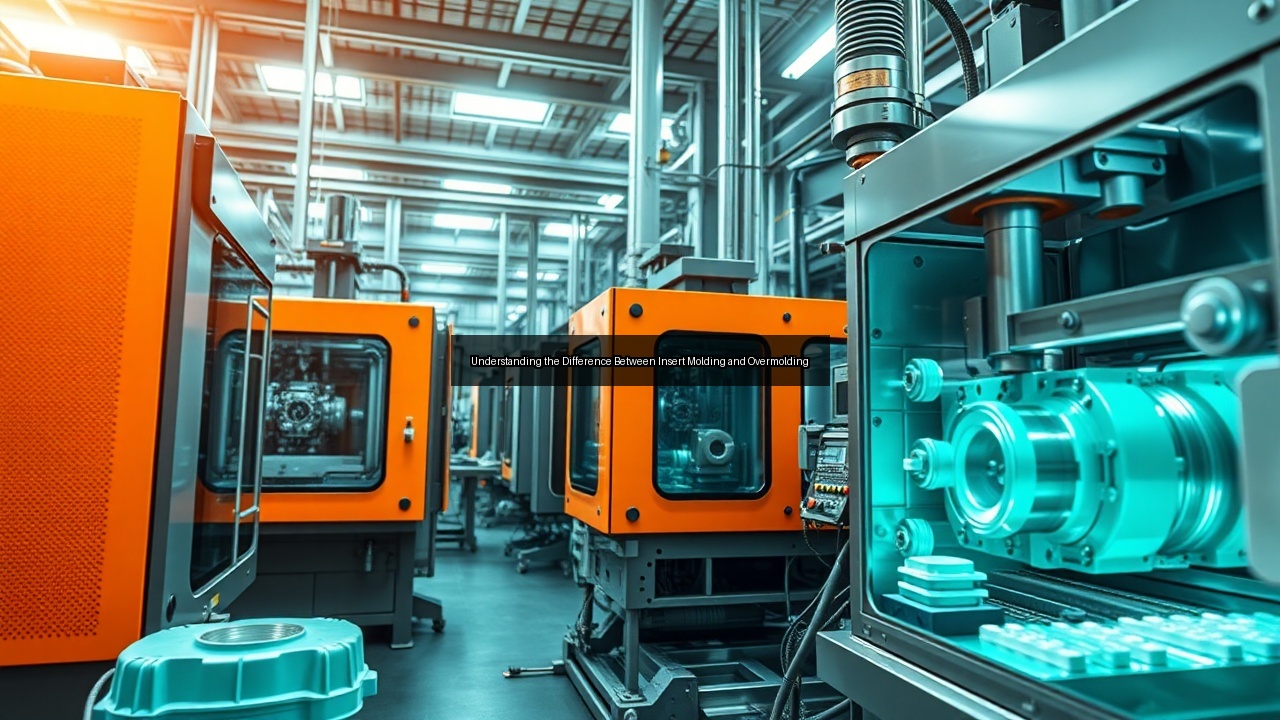
Custom plastic injection molding serves as a cornerstone in custom molding the manufacturing of plastic components. This process involves melting plastic pellets and injecting them into a mold to create specific shapes and designs. The efficiency of injection molding allows for high-volume production, making it a preferred method for creating complex geometries. Once the liquid plastic cools and solidifies, it takes the form of the mold. This process is highly repeatable, ensuring each part produced maintains consistent quality. The ability to produce intricate designs with tight tolerances makes plastic injection molding an invaluable technology in various industries, from automotive to consumer goods.
Types of Injection Molds
Injection molds vary significantly in design and functionality, tailored to meet specific production needs. The most common types include single-cavity molds, which create one part per cycle, and multi-cavity molds that produce multiple parts simultaneously. Other variations include family molds that allow for different parts to be created in one cycle and hot runner molds that maintain a constant temperature to reduce waste. Each type of mold has its advantages and disadvantages, depending on factors such as production volume, complexity, and cost. Choosing the right injection mold is critical for optimizing manufacturing efficiency and ensuring product quality.
Materials Used in Injection Molding
The choice of materials in custom plastic injection molding significantly impacts the performance and characteristics of the final product. Various thermoplastics, such as ABS, polycarbonate, and polypropylene, are commonly used due to their versatility and ease of processing. Each material offers unique properties, such as strength, flexibility, and heat resistance, making them suitable for specific applications. Additionally, fillers and additives can be incorporated to enhance the material's properties or reduce costs. Understanding these materials allows manufacturers to tailor their processes and products to meet specific requirements, from prototypes to mass production.
Insert Molding vs. Overmolding: A Comprehensive Comparison
Defining Insert Molding
Insert molding combines the principles of traditional injection molding with the integration of pre-placed components or inserts within the mold. This process allows manufacturers to create parts that incorporate metal, plastic, or other materials directly during the molding phase. By inserting components like threaded inserts or electronic elements into the mold before the injection of plastic, manufacturers achieve a strong bond between the insert and the surrounding plastic material. Insert molding provides enhanced functionality and durability in components, making it ideal for applications in automotive and electronics where structural integrity and performance are critical.
Understanding Overmolding
Overmolding involves the application of a second layer of custom manufacturing material over an existing molded part to enhance its functionality and aesthetics. This technique typically uses softer materials, such as liquid silicone rubber (LSR) or thermoplastic elastomers (TPE), to create grips, seals, or protective layers. Overmolding allows for greater design flexibility and the ability to produce parts with varied textures and colors. This method improves the user experience by adding tactile elements while also providing functional benefits such as enhanced grip and shock absorption. Overmolding is particularly advantageous in consumer electronics and medical devices, where ergonomics and safety are paramount.
Key Differences Between Insert Molding and Overmolding
The primary distinction between insert molding and overmolding lies in their objectives and methods. Insert molding focuses on embedding components within the plastic, resulting in a single, cohesive part. This process is particularly beneficial for applications requiring structural reinforcement or integration of electronic parts. Conversely, overmolding aims to enhance an already formed part by adding an additional layer of material. This technique typically emphasizes user interaction, comfort, and aesthetics. Understanding these differences helps manufacturers select the appropriate method for their specific needs, ensuring optimal product performance and functionality.
Applications of Insert Molding and Overmolding
Both insert molding and overmolding find extensive applications across various industries. Insert molding is prevalent in automotive components, where durability and structural integrity are crucial. Manufacturers use this technique to create parts that require embedded fasteners or electrical connections. Overmolding, on the other hand, excels in consumer products, medical devices, and electronics. It provides enhanced grip and comfort in handheld devices and offers added protection for sensitive components. By selecting the right technique for the application, manufacturers can improve product quality and performance while optimizing production efficiency.
Technological Innovations in Molding Techniques
Role of 3D Printing in Custom Injection Molding
3D printing revolutionizes the landscape of custom plastic injection molding by facilitating rapid prototyping and mold creation. Designers can create intricate mold designs in a fraction of the time it takes using traditional methods, significantly reducing lead times. This technology allows for quick iterations, enabling manufacturers to test and refine their designs before committing to full-scale production. Additionally, 3D printing can produce complex geometries that might be difficult or impossible to achieve with conventional machining techniques. As a result, companies can enhance their design processes, reduce costs, and improve time-to-market for new products.
Advancements in Liquid Silicone Rubber
Liquid silicone rubber (LSR) has gained prominence in the overmolding process due to its unique properties and versatility. LSR offers excellent temperature resistance, chemical stability, and biocompatibility, making it ideal for a range of applications, especially in the medical and consumer goods sectors. Recent advancements in LSR technology have led to improved processing techniques, allowing for faster curing times and better surface finishes. Manufacturers benefit from these innovations by producing high-quality parts with complex geometries and superior performance characteristics, thus enhancing the overall quality of their products.
Utilizing CNC Machining and EDM in Mold Making
CNC machining and electrical discharge machining (EDM) play vital roles in the mold-making process for custom plastic injection molding. CNC machining provides precision and efficiency in creating mold components, ensuring tight tolerances and surface finishes. This level of accuracy is essential for producing molds that meet stringent industry standards. Meanwhile, EDM excels in creating intricate details within molds that require high precision, such as complex cavity shapes or fine features. By leveraging these advanced machining techniques, manufacturers can produce high-quality molds that result in superior injection molded parts, ultimately enhancing product performance and durability.
Cost Considerations and Quality Assurance in Molding
Pricing Factors in Custom Plastic Injection Molding
Pricing for custom plastic injection molding depends on various factors, including material selection, mold complexity, production volume, and lead times. Material costs can fluctuate based on market demand, impacting the overall project budget. The complexity of the mold design, such as the number of cavities or the intricacy of the features, also affects pricing. Higher production volumes generally lead to lower per-unit costs due to economies of scale, while shorter lead times may incur additional costs. Manufacturers must carefully evaluate these factors to ensure they meet both budgetary constraints and quality expectations in their projects.
Importance of ISO 9001 Certification
ISO 9001 certification represents a standard for quality management systems, ensuring that manufacturers adhere to consistent quality practices. This certification is crucial in the custom plastic injection molding industry, as it demonstrates a commitment to quality assurance and continuous improvement. Companies with ISO 9001 certification can streamline their processes, reduce defects, and enhance customer satisfaction through improved product reliability. This recognition not only bolsters a company's reputation but also can be a deciding factor for clients seeking dependable manufacturing partners. Therefore, pursuing ISO 9001 certification becomes a strategic priority for manufacturers aiming to excel in a competitive marketplace.
Inspection and Surface Finishes for Quality Control
Quality control in custom plastic injection molding involves rigorous inspection processes and attention to surface finishes. Manufacturers must implement inspections at various stages, from the raw materials used to the final products. Ensuring that parts meet specified tolerances and surface finish requirements is vital for performance and aesthetic appeal. Techniques such as laser engraving and precise surface treatments can enhance the final product, offering both functional and visual benefits. By prioritizing quality assurance through systematic inspections and superior surface finishes, manufacturers can significantly reduce the risk of defects and enhance customer satisfaction.
See Also
- From Prototypes to Production How Custom Injection Molding Transforms Manufacturing Efficiency
- How to Effectively Communicate Your Custom Molding Needs to Manufacturers
- Designing for Success How to Plan Your Custom Injection Molding Project
- The Art of Surface Finishes in Custom Plastic Injection Molding