The Role of Custom Process Hoppers in Sustainable Recycling Solutions
Understanding Custom Process Hoppers
What are Custom Process Hoppers?
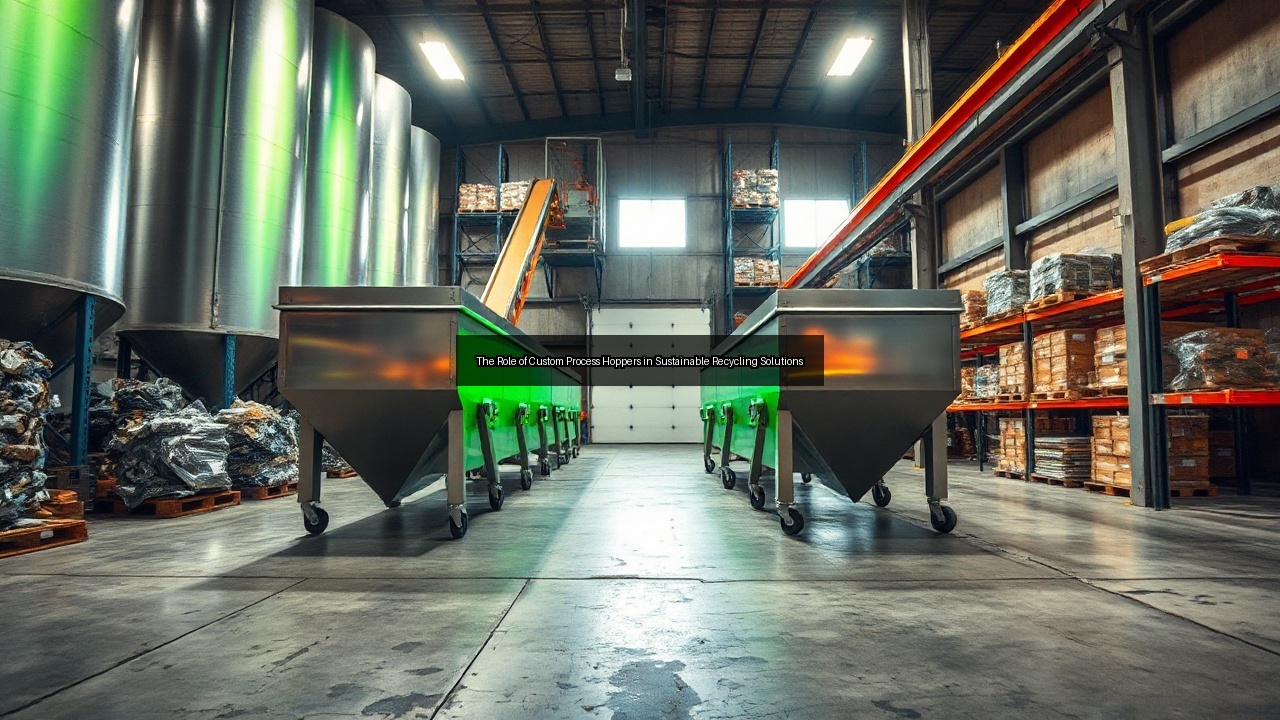
Custom process hoppers serve as specialized containers that direct bulk materials into processing lines with precision and control. Manufacturers design these units to match exact operational demands in recycling and production environments. Unlike standard models, custom process hoppers incorporate specific angles, capacities, and discharge mechanisms that prevent material bridging or uneven flow. Facilities handling scrap metal, plastics, or aggregates rely on them to maintain steady throughput. Engineers often integrate sensors or gates to regulate output rates, which reduces downtime and waste. This tailored approach supports everything from small-scale operations to large silos in industrial settings. Companies gain reliable material handling that aligns with their unique workflows rather than forcing processes to adapt to off-the-shelf equipment.
Key Features of Custom Process Hoppers
Custom process hoppers include reinforced walls, adjustable discharge gates, and optional liners that resist abrasion from harsh materials. Many models feature cone-shaped bottoms that promote complete emptying without residue buildup. Mobility options such as heavy-duty casters allow repositioning within warehouses or production floors. Integrated guardrails and safety platforms protect operators during loading. Manufacturers frequently add vibration devices to break up compacted loads of recyclables or scrap. These features combine to deliver consistent performance across varying material types. Facilities report fewer clogs and smoother transitions when hoppers match their exact process parameters rather than relying on generic designs.
The Importance of Customization in Hoppers
Customization ensures custom process hoppers fit precise space constraints and material characteristics in any facility. Standard hoppers often fail when confronted with sticky, dense, or irregularly shaped items common in recycling streams. Tailored dimensions, slopes, and gate configurations eliminate these issues by matching the physical properties of the target materials. Companies that invest in custom fabrication see direct gains in uptime and reduced maintenance. The right hopper design also supports future expansion by accommodating changes in volume or material mix. This flexibility proves essential for operations scaling their recycling or manufacturing output without major retooling.
The Role of Custom Process Hoppers in Recycling
How Hoppers Facilitate Recycling of Scrap Materials
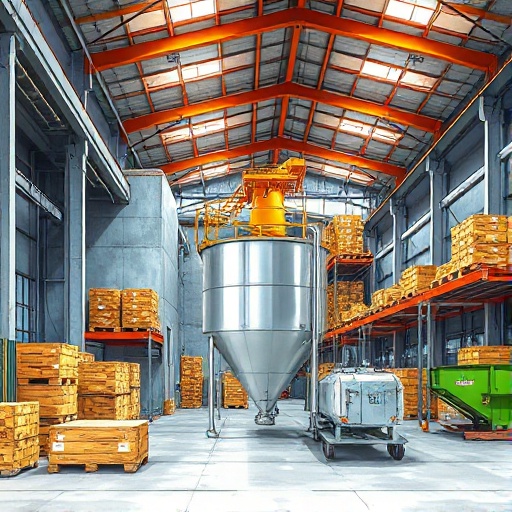
Custom process hoppers channel scrap metal, plastics, and other recyclables into shredders or sorters without spillage or interruption. Their controlled discharge prevents overloading downstream equipment and keeps operations running at optimal speeds. Facilities place these hoppers at collection points to consolidate incoming waste streams before further processing. Proper design accounts for material weight and flow rates, which minimizes wear on the hopper itself. Many recycling plants pair hoppers with magnets or screens to begin separation immediately upon discharge. This early intervention improves overall recovery rates and reduces contamination in final outputs.
Using Hoppers for Efficient Sorting of Recyclables
Operators use custom process hoppers to stage mixed recyclables ahead of automated or manual sorting lines. Adjustable gates and multiple compartments allow batches to feed at controlled intervals that match sorter capacity. This setup reduces cross-contamination between paper, metals, and plastics. Facilities often mount sensors on hoppers to detect material types and route them accordingly. The result is cleaner separation streams that command higher market value. By matching hopper geometry to specific recyclable categories, plants cut labor hours and boost daily throughput without expanding floor space.
Integrating Hoppers with Conveyor Systems for Enhanced Flow
Custom process hoppers connect directly to conveyor systems to create uninterrupted material movement from intake to processing. Engineers align hopper outlets with conveyor belts so gravity assists transfer while maintaining even distribution across the belt width. This integration eliminates manual transfers that slow operations and increase injury risk. Variable-speed conveyors paired with metered hopper gates let facilities adjust flow based on real-time demand. Recycling centers report significant productivity lifts once hoppers and conveyors operate as a single synchronized unit. Proper alignment also prevents material fallback that can damage belts or create safety hazards.
Design and Fabrication of Custom Process Hoppers
Materials Used: Stainless Steel vs. Sheet Metal
Stainless steel offers superior corrosion resistance for hoppers handling wet or acidic recyclables, while sheet metal provides cost-effective strength for dry bulk materials. Fabricators select grades based on exposure to chemicals, abrasion, and cleaning regimens. Stainless steel hoppers last longer in harsh environments but require higher upfront investment. Sheet metal versions receive coatings or liners to extend service life when budget constraints apply. Both materials support custom dimensions and cone angles that optimize flow. Facilities weigh these options against expected maintenance cycles and material compatibility to choose the best fit for their recycling or manufacturing lines.
Design Dimensions and Their Impact on Functionality
Hopper dimensions directly influence capacity, flow rate, and footprint within warehousing or production areas. Steeper cone angles reduce bridging in cohesive materials, while wider openings handle larger scrap volumes. Height restrictions often dictate whether a hopper sits on the floor or mounts above a conveyor system. Engineers calculate wall thickness and reinforcement placement to handle expected loads without deformation. Accurate sizing prevents underutilization or overflow that disrupts adjacent pallet racks and material handling routes. Custom calculations ensure each hopper delivers maximum efficiency within its specific operational envelope.
Fabrication Techniques for Custom Hoppers
Fabricators employ laser cutting, CNC bending, and precision welding to create custom process hoppers that meet exact specifications. These techniques produce smooth interior surfaces that minimize material hang-up. Modular construction allows sections to be assembled on-site when transport limits apply. Quality checks during fabrication verify weld integrity and dimensional accuracy before delivery. Companies that partner with experienced fabricators receive hoppers ready for immediate integration with existing silos, conveyors, or guardrail systems. This attention to process detail translates into reliable performance from day one.
Improving Productivity in Warehousing and Manufacturing
Hoppers in Pallet Racks and Bulk Material Handling
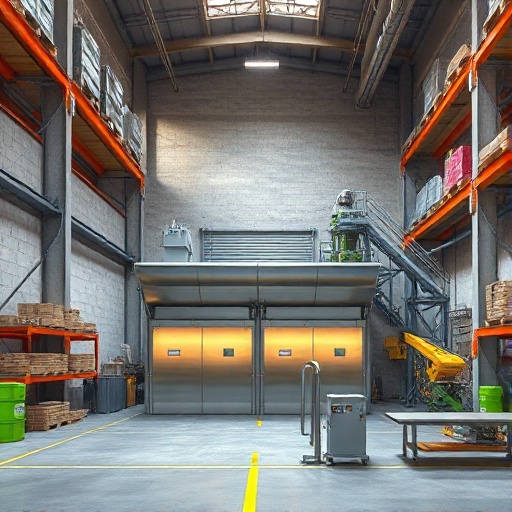
Custom process hoppers integrate with pallet racks to stage bulk materials at convenient heights for forklift access. This arrangement speeds loading and unloading cycles in warehousing operations. Reinforced bases allow hoppers to rest securely on rack beams without tipping. Facilities handling large volumes of recyclables or raw inputs use these setups to maintain organized inventory while freeing floor space. The combination reduces travel time for workers and equipment, which compounds into measurable productivity gains across shifts. Proper hopper placement within rack systems also supports FIFO inventory practices that limit material degradation.
The Role of Hoppers in Streamlining Manufacturing Processes
Manufacturers position custom process hoppers above assembly or mixing stations to supply consistent material volumes without manual intervention. This automation reduces operator fatigue and variation in feed rates that affect product quality. Hoppers with integrated scales or level sensors trigger refills automatically, keeping production lines running continuously. In metal fabrication shops, hoppers manage scrap collection and return it to recycling loops within the same facility. The streamlined flow cuts handling steps and associated labor costs while improving overall equipment effectiveness.
Benefits of Casters and Mobility in Hoppers
Casters transform stationary hoppers into mobile units that follow changing production layouts or cleaning schedules. Heavy-duty locking casters provide stability during filling yet allow quick repositioning when needed. Mobile custom process hoppers support flexible manufacturing cells that reconfigure for different product runs. Warehouses gain the ability to move hoppers between receiving docks and processing areas without cranes or forklifts. This mobility reduces infrastructure costs and enables rapid response to volume spikes in recycling or bulk material intake.
Future Trends in Custom Process Hoppers and Recycling
Innovations in Hopper Design for Sustainability
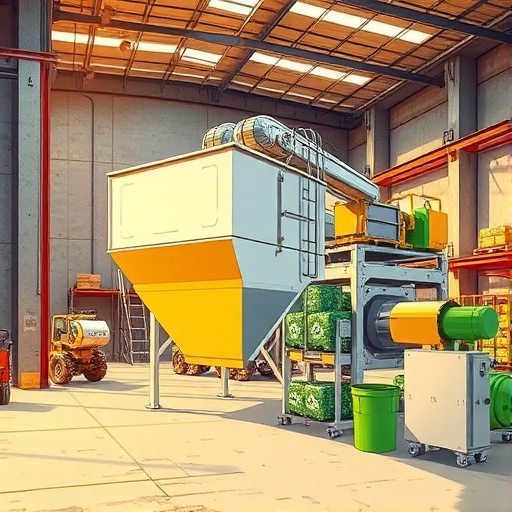
Next-generation custom process hoppers incorporate recycled-content materials and modular designs that extend service life through easy part replacement. Advanced liners reduce friction and wear, lowering energy required to move materials. Some designs feature built-in dust collection ports that capture fines during discharge, improving air quality in recycling facilities. Engineers continue to refine cone geometries and gate mechanisms for near-complete emptying that minimizes residual waste. These sustainable features help companies meet regulatory targets while cutting operational expenses over the equipment lifecycle.
The Shift Towards Automation in Recycling Facilities
Automated custom process hoppers equipped with IoT sensors and robotic actuators now coordinate directly with sorting robots and conveyor systems. Real-time data on fill levels and flow rates allows dynamic adjustments that maximize throughput. Facilities adopting these systems report higher recovery percentages and lower contamination. Automation also addresses labor shortages by handling repetitive loading tasks safely. As recycling volumes grow, automated hoppers become central to scalable operations that maintain consistent output without proportional increases in staffing.
Case Studies of Successful Recycling Solutions Using Custom Hoppers
One regional recycling center installed custom process hoppers with stainless steel construction and integrated conveyors to process mixed construction debris. The tailored cone angles eliminated bridging of concrete chunks, raising daily throughput by 40 percent. Another manufacturer added mobile hoppers on casters to its metal fabrication line, capturing scrap directly from machining centers and routing it to on-site melting. Both examples demonstrate how purpose-built hoppers deliver measurable gains in productivity and material recovery when matched to specific site conditions and material streams.